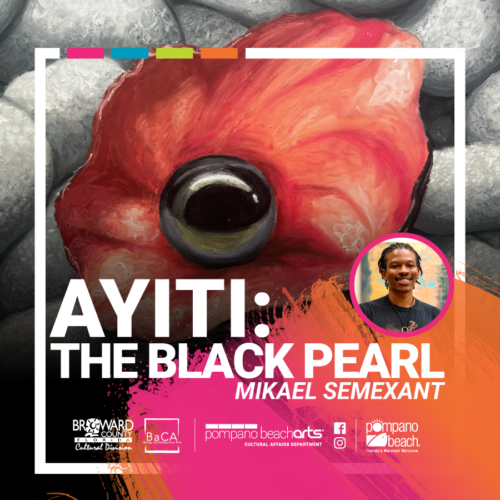
Ayiti: The Black Pearl
Resilience, resistance, and revolutionary hope for the future. These are the major themes of Haiti's 221-year history. As the first country in the western hemisphere to be founded as the result of a successful slave revolt, it is clear that revolutionary attitudes have defined the country itself as well as its historical impact. Haiti played a significant role in abolition and liberating many countries from colonial rule, including: Santo Domingo(now the Dominican Republic), Venezuela, Colombia, Ecuador, and Peru. But the ransom that France forced Haiti to pay for their own liberation set up the conditions that would lead to the country's current challenges that have left the country less than hopeful about its future.
A myopic, sensationalized fantasy about an impoverished, lawless state that is essentially hopeless and ungovernable is the default perspective used to discuss Haiti. However, Haiti's potential lies in the reigns of self-determination being placed back in the hands of her people. This prospect is only possible through a revival of the same revolutionary imagination that freed Haiti the first time and allowed Haitians to realize a future no one thought was possible.
While viewing the paintings in this series the audience is invited to challenge their preconceived notions about Haiti and her people through the lens of the attitudes and hope necessary to liberate Haiti from its current challenges. By emphasizing the beauty of Haiti, its culture, history, and people, we can shift the way we talk about Haiti and Haitians with the goal of advancing a brighter future for the country.
Click here to learn about the artist - Mikael Semexant.